
It is easy to overlook how much the right lighting influences how we use our basement. When you start thinking about basement remodeling, the conversation usually begins at flooring or paint colors. However, lighting is what actually breathes life into those choices.
A basement ceiling is often lower than the ones upstairs, and the lack of natural light can make the area feel smaller than it actually is. To help transform it into a bright and inviting space, check out our list of the top 10 best basement lighting ideas.
1. Recessed Basement Lighting
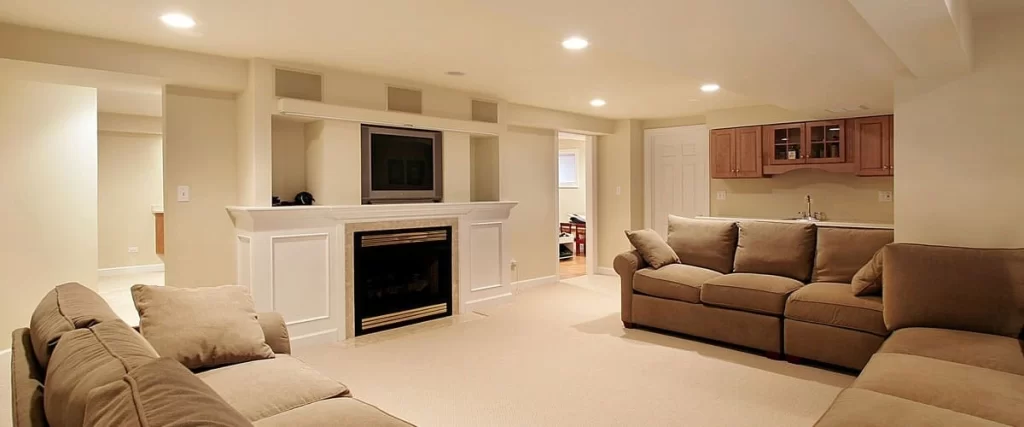
One of the most popular basement lighting ideas is recessed lighting. These fixtures, often called can lights, sit inside the basement ceiling rather than hanging down from it. This is a smart choice for a low ceiling basement because it saves precious vertical space while providing even, general illumination across the entire floor plan.
Placing recessed lighting about four to six feet apart helps minimize shadows and ensure every square foot receives enough glow. Recessed ceiling lights are excellent for creating a clean, modern aesthetic. They provide a high level of maximum brightness when you need it for cleaning or projects, but they can also be adjusted if you install them on a dimmer switch.
Also Read: How to Turn a Basement into a Living Space
2. Accent Lighting
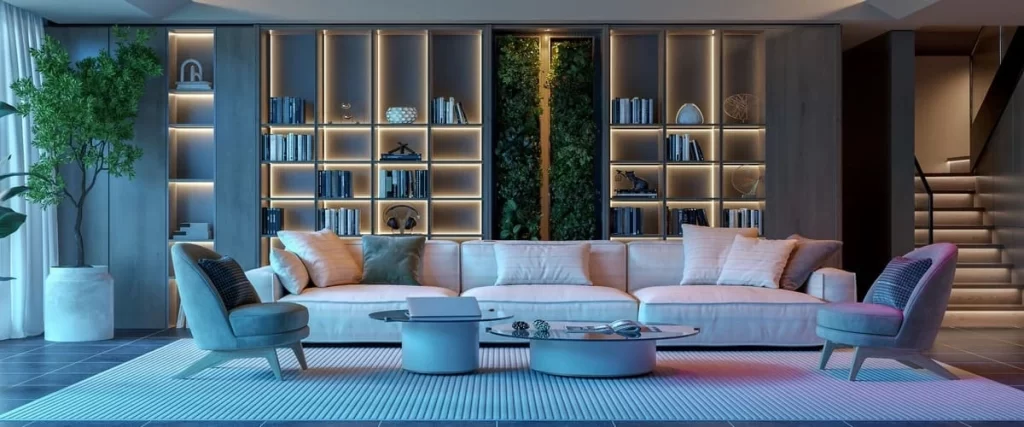
Relying solely on overhead fixtures can sometimes make a room feel flat or clinical. This is where accent lighting comes into play. If you want to highlight architectural features, like a stone fireplace or a built-in bookshelf, specific directional lights can create visual interest.
By adding these layers, you move the eye around the room rather than just looking at the floor. You might use small spotlights or even directional recessed units that tilt. This technique is wonderful for making dark spaces feel intentional and tasteful. It adds a sense of depth that a single overhead light simply cannot achieve.
3. Pendant Lights
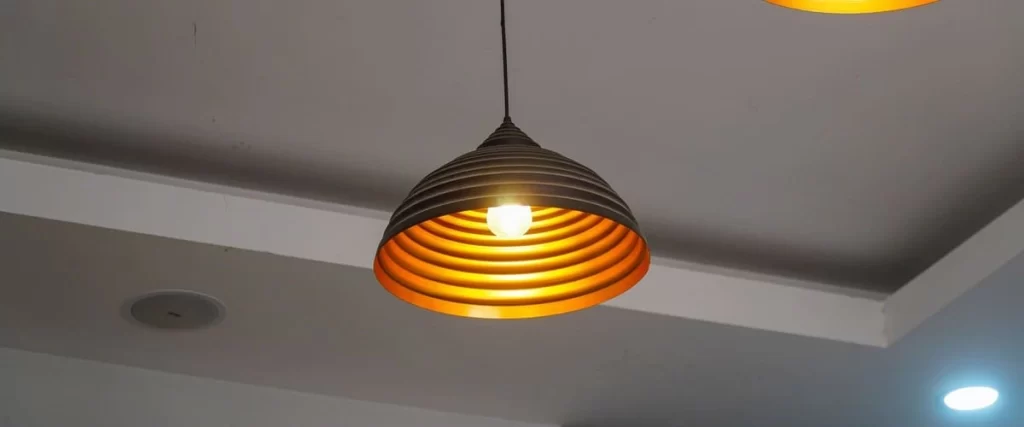
If your basement has high ceilings or a specific focal point like a bar or a dining table, pendant lights are a fantastic addition. These fixtures hang down and act as a design feature themselves. They bring the light closer to where the action is, which is perfect for focused task lighting.
Using clear glass shades on your pendant lights can help maintain an open feeling. Since the glass is transparent, it doesn’t create a visual barrier in the room. Pendants are especially useful over a kitchen island or a craft station where you need direct light to see what you are doing. They help define different seating areas within a large, open-concept basement.
4. LED Strip Lighting

For a contemporary look, LED strip lighting is a game changer. These flexible strips can be tucked away into places where traditional bulbs won’t fit. Many homeowners love using them for tray lighting, where the strips are hidden inside crown molding or a recessed portion of the ceiling.
This creates a beautiful indirect lighting effect where the glow reflects off the ceiling and washes down the walls. It creates a soft, inviting atmosphere that is perfect for a lounge or a gaming room. You can also place an LED strip under the lip of stairs or along the baseboards to act as a safety feature and a cool visual element. The energy efficiency of these lights is a huge plus, as they have a long lifespan and use very little electricity.
Also Read: How to Waterproof the Basement
5. Wall Sconces
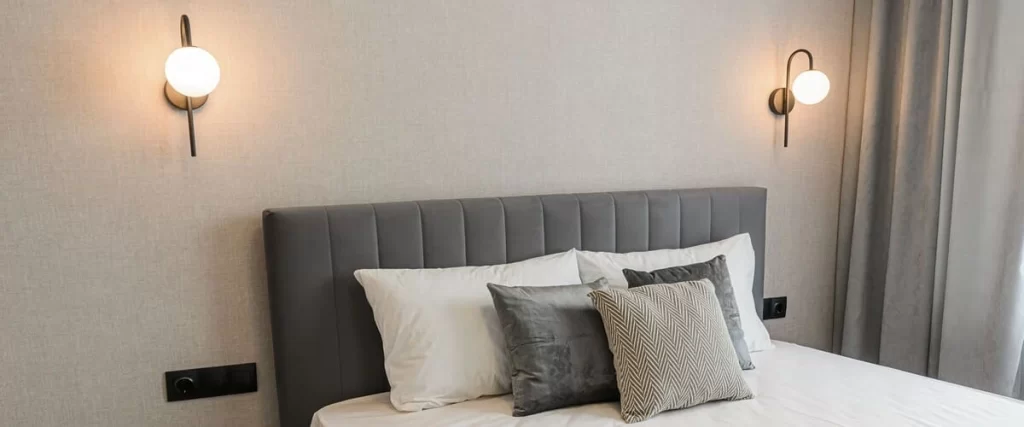
When you are dealing with a low ceiling basement, you might not have much room for floor lamps. Wall sconces are a brilliant alternative. They attach directly to the wall and provide ambient illumination without taking up any floor space.
Sconces are great for hallways or flanking a large television in a home theater setup. They help draw the eye upward, making the walls feel taller. If you choose fixtures that throw light both up and down, you can significantly brighten dark corners that overhead lights might miss. It is a simple way to add a touch of sophistication to the overall ambiance.
6. Track Basement Lighting Systems
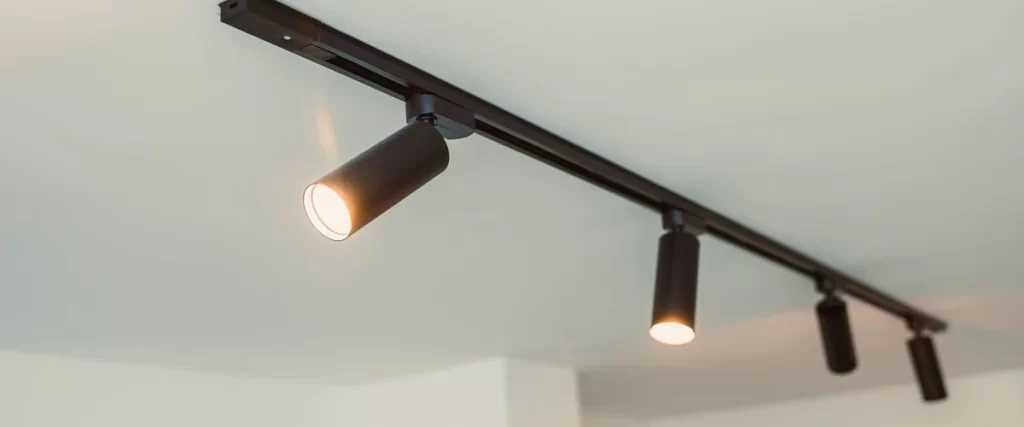
Not every basement has the luxury of a finished ceiling where you can easily cut holes for recessed lights. If you are working with an unfinished basement or just want more flexibility, track lighting systems are an excellent option.
Track lights consist of a rail with several adjustable heads. You can point one toward a desk, another toward a painting, and a third toward a dark corner. This adaptability makes it one of the best basement lighting ideas for multiple purposes. If you ever rearrange your furniture, you can simply pivot the lights to match the new layout without doing any extra electrical work.
7. Floor and Table Lamps
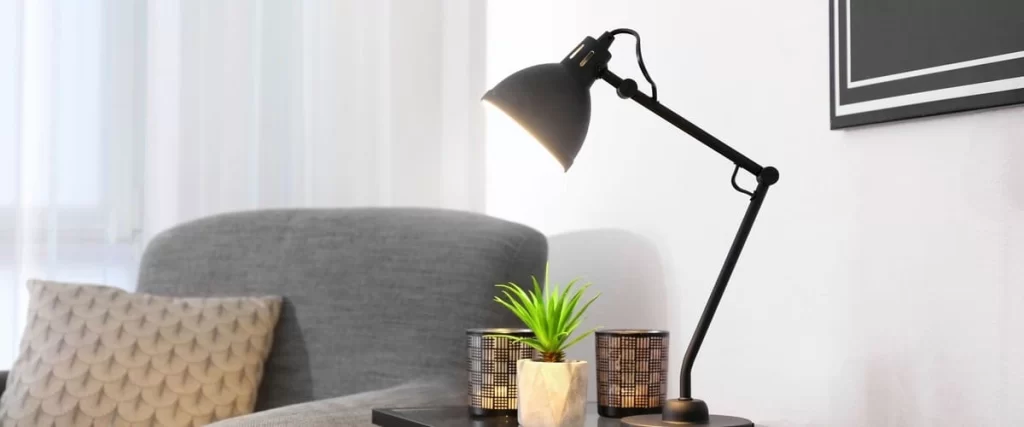
Sometimes the best basement lighting are the ones you can move around. Floor lamps and table lamps add a layer of warmth that hardwired fixtures sometimes lack. They provide a diffused light that is much softer on the eyes, which is ideal for a reading nook or a guest bedroom.
Lamps also allow you to play with different styles, from mid-century modern to traditional. By placing a lamp on an end table, you create a localized pool of light that makes a large basement feel more intimate. It is often these smaller light sources that truly transform a cold basement into a comfortable living space.
8. Natural Light

The biggest struggle in most basements is the lack of natural light. If you have small windows, you can enhance them by using daylight spectrum bulbs. These bulbs are designed to mimic the color of the sun at noon, which can help regulate your internal clock and make the space feel less like a cellar.
For those willing to do a bit more structural work, a sun tunnel is one of the most innovative basement lighting ideas. These tubes reflect sunlight from the roof of your house down into the basement.
If that isn’t an option, simply using mirrors strategically can help bounce what little light you have into the darker parts of the room. Using vibrant colors on the walls can also help reflect the light you do have, making everything feel much brighter.
9. Industrial Style Basement Lighting
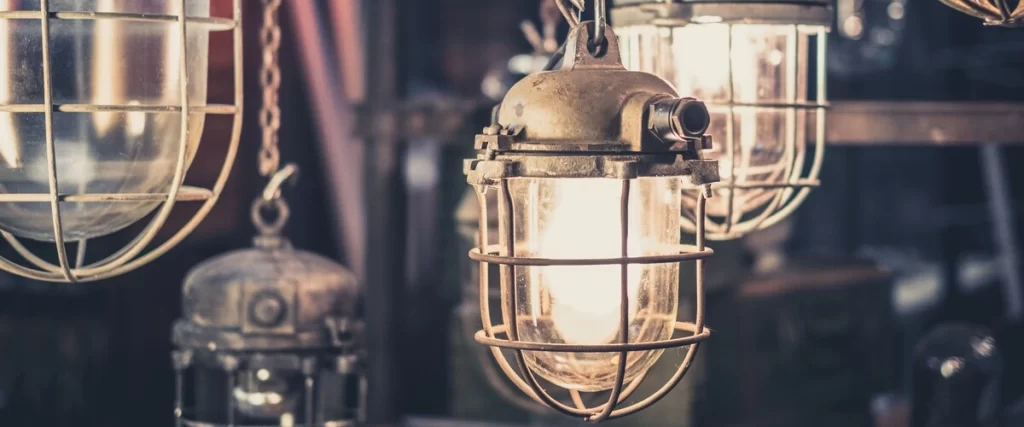
Many people prefer the look of an unfinished basement, especially if they are going for a gym or a workshop vibe. Industrial style basement lighting works perfectly here. Think of metal cages around bulbs, exposed conduit, or large warehouse-style pendants.
This style embraces the raw nature of the space. You can use strip lighting attached to the joists to provide plenty of brightness for projects. Even if the space isn’t fully finished, the right lighting can make it feel like a curated, intentional part of your home. It’s a cost-effective way to make a utility area feel like a professional studio.
10. Smart Basement Lighting Solutions
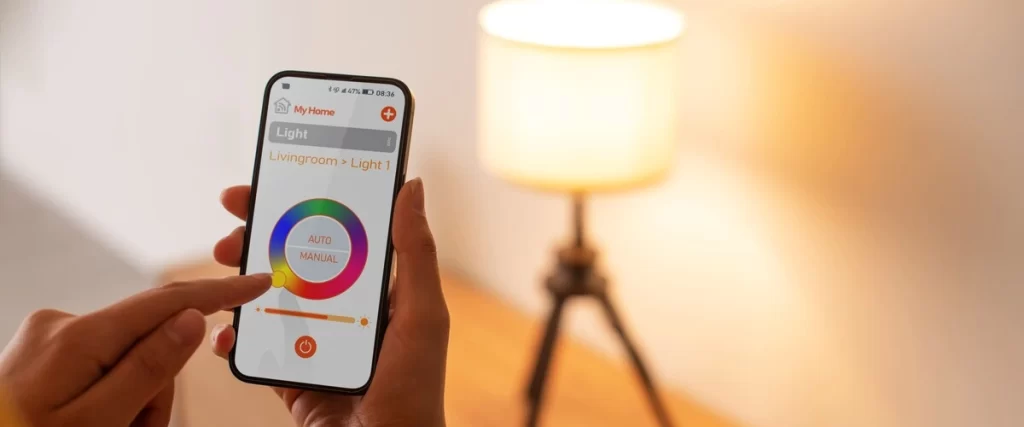
Smart lighting is a modern way to gain total control over your environment. With smart bulbs or smart plugs, you can change the overall ambiance of the basement with just a tap on your phone. If you are settled in for a movie, you can use voice commands to dim the lights without getting up from the couch.
Smart basement lighting solutions also allow for adjustable brightness and color temperature. You might want a crisp, cool white light for a morning workout but a warm, golden glow for an evening glass of wine. Setting these scenes makes the basement feel more dynamic and high-tech. It is a smart choice for anyone who wants their home to work for them.
Best Basement Lighting by Room Type
| Basement Type | Best Lighting Setup | Why It Works |
|---|---|---|
| Living room / lounge | Recessed lighting + floor/table lamps | Even ambient light with added warmth |
| Home theater | Dimmable sconces + LED strips | Low glare, cinematic atmosphere |
| Home gym | Bright recessed LEDs (cool white) | High visibility and energy |
| Office / workspace | Recessed + task lighting (desk lamps) | Focused lighting for productivity |
Basement Lighting Strategy (The 3-Layer Rule)
The best basement lighting setups always combine three types of lighting:
1. Ambient Lighting (Base Layer)
- Main source of light (usually recessed LEDs)
- Provides even illumination across the room
2. Task Lighting (Functional Layer)
- Focused lighting for specific activities
- Examples: desk lamps, reading lights, bar lighting
3. Accent Lighting (Design Layer)
- Highlights features and adds depth
- Examples: LED strips, wall sconces, feature lighting
Layering these eliminates shadows and makes basements feel less “flat” and more like a living space
Common Basement Lighting Problems (and Fixes)
| Problem | Best Solution | Why |
|---|---|---|
| Low ceiling | Recessed or ultra-slim LED lights | Flush design preserves headroom |
| No windows / dark space | Daylight LED bulbs (4000–5000K) | Mimics natural light |
| Dark corners | Wall sconces or accent lighting | Adds depth and eliminates shadows |
Layout & Spacing Guidelines (What Actually Works)
Good lighting isn’t just about fixtures—it’s about placement.
- Space recessed lights evenly in a grid layout
- General rule: distance between lights ≈ half the ceiling height
- Example: 8 ft ceiling → ~4 ft spacing
- Keep lights evenly distributed to avoid dark spots
- Place lights slightly away from walls to reduce shadows
Basement Lighting Mistakes to Avoid
- Over-lighting the space
Too many lights can make the room feel harsh and sterile - Using the wrong color temperature
- Too cool → feels clinical
- Too warm → may feel dim
- Poor placement
Uneven spacing creates shadows and dark zones
Relying only on overhead lighting is a common mistake, layered lighting works better for comfort and design
Technical Details to Consider
Designing a basement that feels cohesive and bright is a big job. There are many moving parts to keep track of, from the height of the ceiling to the placement of the joists. Sometimes, letting someone else take care of the hard work is the best choice.
You deserve a basement that feels just as beautiful as the rest of your house. If you would rather skip the stress of DIY electrical and lighting work, we are here to help. Brucksch & Sons Remodeling takes your vision and turns it into a reality while ensuring everything is up to code and perfectly placed. To get started on basement remodeling, call us at (443) 261-9582 or message us here.