
According to the CDC, over 230,000 people aged 15 and older are treated in emergency rooms annually for injuries that happened in the bathroom. For seniors, those numbers climb even higher.
The good news? Bathroom remodeling for seniors doesn’t mean sacrificing style for safety. Modern accessibility upgrades can transform a dangerous bathing space into one that supports independent living while looking absolutely beautiful.
Why Senior-Friendly Bathrooms Matter More Than You Think
Falls are the leading cause of injury among older adults, and bathrooms create a high-risk environment with slippery floors, tight spaces, and awkward movements. Your loved one might have difficulty standing from the toilet or stepping into a traditional bathtub.
But this goes beyond just preventing accidents. A safe and accessible bathroom means your parents can maintain their dignity and independence. They won’t need to call for help with basic personal care. They can age in place in the home they love rather than move to assisted living.
| Common Bathroom Hazard | Accessible Solution |
| High bathtub threshold | Walk-in tub or curbless shower |
| Slippery wet surfaces | Non-slip flooring and grab bars |
| Poor visibility | Bright lighting with no shadows |
| Low toilet height | Comfort-height toilet installation |
| Hard-to-reach fixtures | Lever-style faucets and controls |
The Spaces That Need Your Attention First
Let’s talk about where falls actually happen. The shower and tub area tops the list.
Stepping over that 15-inch tub wall when you’re 75, and your balance isn’t what it used to be? That’s asking for trouble. Your existing toilet might be too low, forcing your dad to bend down and struggle back up every time.
Those beautiful tile floors you installed years ago become ice rinks when wet. And if the bathroom has dim lighting or dark corners, your mom might not even see the water puddle near the sink. These are genuine safety risks that need to be addressed.
Game-Changing Features for Senior Bathrooms
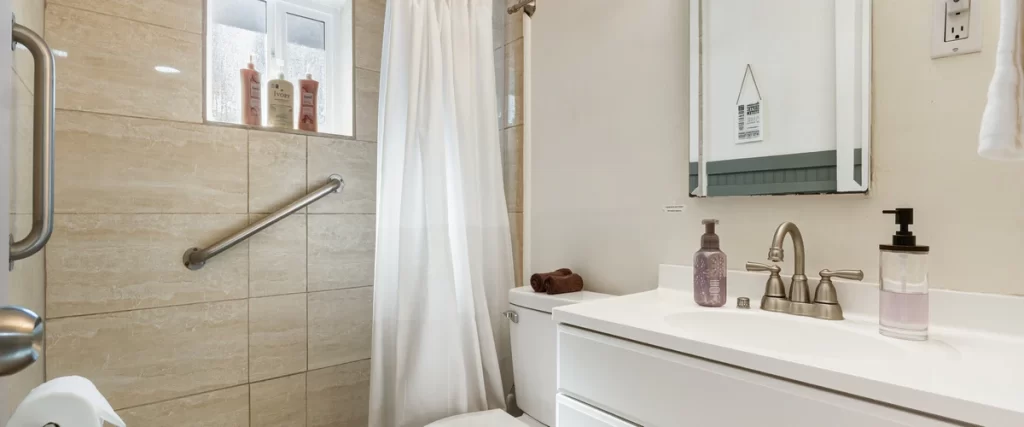
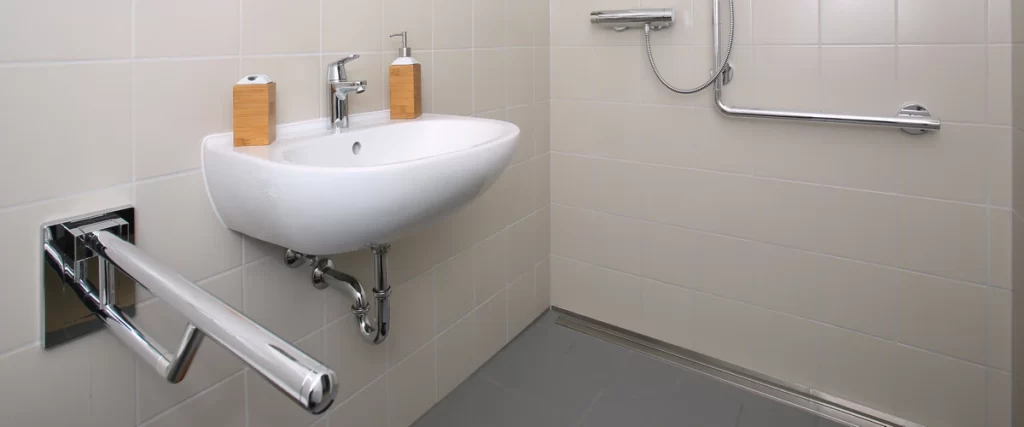
- Strategically placed grab bars literally save lives. We’re not talking about those flimsy towel bars that rip out of drywall. Real grab bars, properly installed in studs, provide your loved one with a solid surface to hold while moving around the bathroom. Put them near the toilet, inside the shower, and beside the tub.
- A walk-in tub eliminates that dangerous threshold completely. Your parent opens a door, walks in, sits down, and then the tub fills. No climbing, no balancing on one foot, no white-knuckle moments. Some models even include built-in seating and hydrotherapy jets.
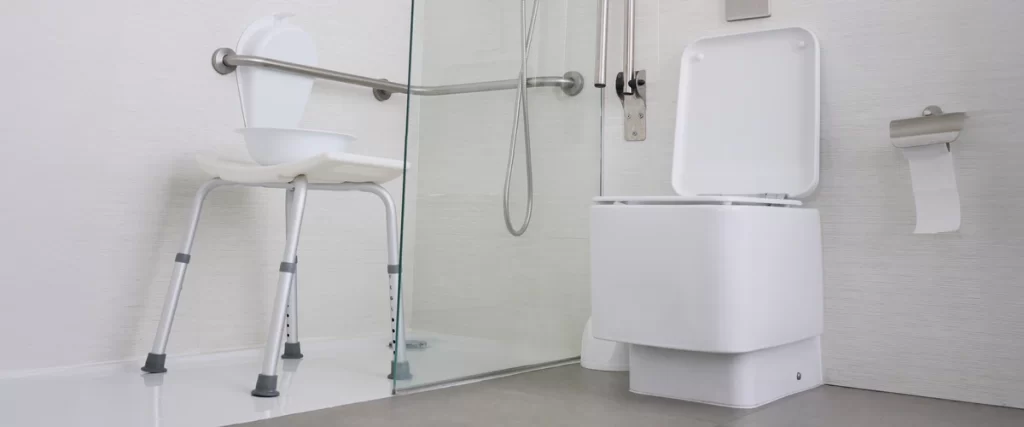
- Curbless showers take this concept further. Picture a shower with a zero-entry barrier, where someone could literally roll a wheelchair right in if needed. The entire floor slopes gently toward the drain. You can walk in, use a shower chair if sitting feels safer, and never worry about tripping over a curb.
- Comfort-height toilets sit about 2-4 inches higher than standard models. That might not sound like much, but for someone with knee or hip problems, it’s the difference between struggling and managing independently. The Americans with Disabilities Act (ADA) sets standards for accessible toilet heights that benefit everyone, not just wheelchair users.
Design Choices That Work Double Duty
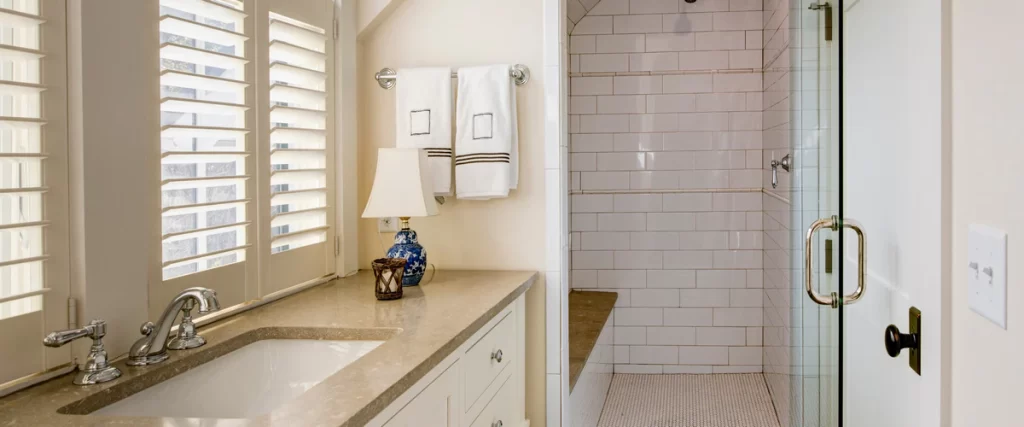
Here’s where it gets interesting: accessibility upgrades don’t have to look medical or institutional. Modern bathroom renovation projects seamlessly blend safety features with aesthetics, so visitors won’t even notice you’ve created an accessible bathroom.
Take shower benches, for example. A built-in tiled bench looks like a luxury spa feature, but it’s also a critical safety element for someone who gets tired or dizzy while bathing. Lever-style faucet handles are easier for arthritic hands to operate than traditional knobs, and they come in gorgeous finishes that complement any design style.
Bright lighting isn’t just about preventing falls. Well-designed lighting eliminates shadows, improves visibility for older eyes, and may include night lights for safe midnight bathroom trips. LED fixtures use less energy while providing the illumination your parents need.
Non-slip flooring has come a long way from those ugly textured tiles. You can get beautiful porcelain or luxury vinyl that provides excellent traction when wet. Some homeowners opt for smaller tiles because the grout lines add extra grip.
Planning Your Bath Remodel With Aging in Place in Mind
Start by really watching how your loved one moves through their current bathroom. Where do they grab for support? What movements cause them to grimace or hesitate? Those observations will guide your renovation planning better than any generic checklist.
Think about reducing strain on their body with every design decision. Can they reach the shower controls without stretching? Are the cabinets at a height that doesn’t require bending or standing on tiptoes? Does the bathroom layout provide enough space for them to move comfortably, especially if they may need a walker or wheelchair in the future?
Storage matters more than you’d think. If your mom has to bend down to get her towel from a low cabinet, you’ve just created another fall risk. Wall-mounted cabinets at easy-access heights keep necessary items within reach without requiring awkward movements.
For our bathroom remodeling projects, we often recommend starting with the most critical safety features first. If the budget is tight, prioritize grab bars, improved lighting, and non-slip flooring. You can always add a walk-in tub or new shower later.
Special Considerations for Different Needs
Not every senior has the same mobility challenges. Someone recovering from a stroke might need different features than someone with arthritis. Limited mobility from a knee replacement requires different solutions than balance issues from neuropathy.
Wheelchair accessibility opens up additional planning requirements. You need wider doorways (at least 32 inches clear), turning space inside the bathroom, and roll-under sinks. The toilet needs proper clearance on both sides. These modifications might seem extensive, but they’re absolutely achievable.
Low-income homeowners can explore HUD (Housing and Urban Development) programs that offer grants and loans for accessibility modifications. Many states have additional assistance programs specifically for aging-in-place renovations. A quick search of state housing finance agencies can reveal options you didn’t know existed.
Frequently Asked Questions
How much does a senior-friendly bathroom remodel typically cost?
Basic accessibility upgrades like grab bars, improved lighting, and a new comfort-height toilet might run $3,000-$8,000. A complete bathroom renovation with a walk-in tub or curbless shower typically ranges from $15,000-$35,000 depending on materials and the existing space. Getting a free consultation helps you understand what your specific situation requires.
Can I make my small bathroom accessible for seniors?
Absolutely. Small bathrooms can actually be easier to navigate because fixtures are closer together, requiring less walking on potentially slippery floors. Focus on a curbless shower instead of a tub, a wall-mounted sink for knee clearance, and strategically placed grab bars. Sometimes removing that bulky vanity creates the space you need.
What’s the difference between ADA-compliant and senior-friendly bathrooms?
ADA standards focus primarily on wheelchair accessibility with specific measurements for clearances, heights, and features. Senior-friendly bathrooms incorporate those principles but also address issues like arthritis, vision problems, and general fall prevention. Many senior bathrooms exceed ADA minimums for added safety and comfort.
Are walk-in tubs really worth the investment?
For many seniors who love baths but can’t safely use a traditional tub, absolutely. The key features include a low entry threshold, built-in seating, and anti-slip surfaces. The main downside is waiting for the tub to fill and drain while sitting inside, which some people mind more than others. Testing one at a showroom helps with this decision.
Can bathroom safety features increase my home’s resale value?
Yes, especially as the population ages. Homebuyers increasingly appreciate accessible design, and many features like curbless showers and comfort-height toilets appeal to all ages. Even buyers who don’t currently need accessibility features recognize the future benefits and value of not having to renovate later.
Making It Happen Without the Headache
Here’s the reality: most people don’t have the expertise to properly plan and execute these renovations. You’re juggling your own life, maybe living in a different city than your parents, trying to research contractors and hoping someone actually understands what “aging in place” really means.
Why put yourself through all that stress when you can work with professionals who handle these projects every single day? We’ll assess your parents’ specific needs, explain which upgrades will have the greatest safety impact, and handle everything from permits to final cleanup.
Ready to create a safer bathroom for your aging loved one? Call us at (443) 261-9582 or message us here to schedule your free consultation. We’ll walk through your space together and show you exactly what’s possible.