
Learning how to design a kitchen layout starts with understanding how the space will actually be used every day. A good layout controls movement, improves workflow, and prevents the kitchen from feeling cramped or inefficient.
When the layout is planned correctly, everything else becomes easier, including cabinet choices, appliance placement, and overall style.
This guide explains how to design a kitchen layout step by step using practical planning rules, proven spacing guidelines, and real-world design logic.
Steps to Design a Kitchen Layout
Designing a kitchen layout becomes much easier when you follow a clear process. Instead of guessing where appliances and cabinets should go, it helps to plan the layout step by step.
Below are the main steps used when planning a kitchen layout:
- Start with the core rules of kitchen layout planning
- Measure the kitchen space accurately
- Choose the kitchen layout that fits the room
- Place the sink and main appliances first
- Divide the kitchen into work zones
- Plan cabinets and storage placement
- Decide if the kitchen needs an island
- Plan lighting, electrical, and ventilation
- Choose materials after the layout is finalized
Each step builds on the previous one, so it is best to go through them in order before making final decisions.
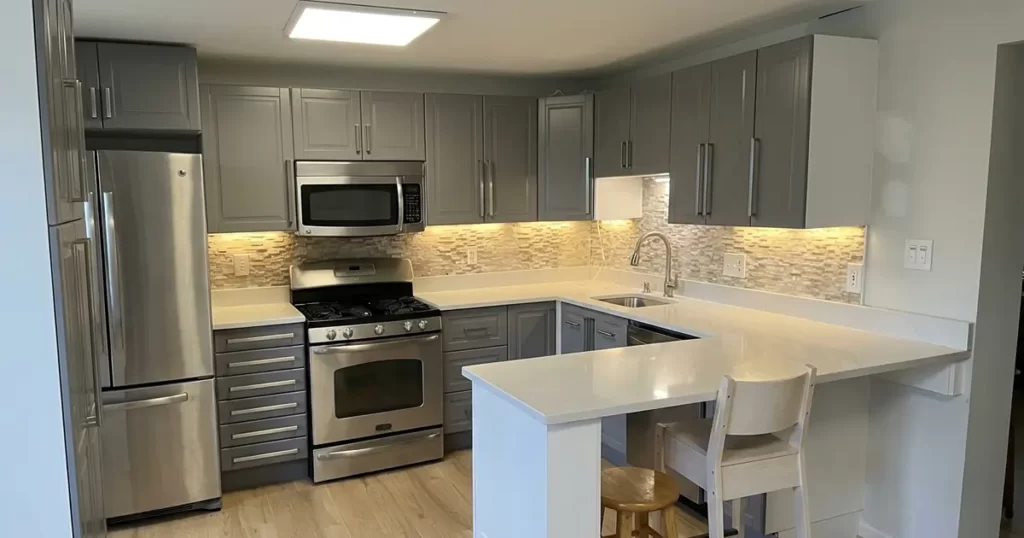
1. Start With the Core Rules of Kitchen Layout Planning
Before choosing cabinets or finishes, the layout must follow basic design principles. These rules exist because they make the kitchen easier to use.
The first rule is the work triangle. This connects the sink, stove, and refrigerator, which are the three most used areas in any kitchen. Each side of the triangle should usually be between four and nine feet. The total distance should stay within a comfortable range so you can move easily without taking extra steps.
Walkway spacing is just as important. Leave at least forty two inches between counters for one cook. If more than one person will use the kitchen at the same time, increase the space to forty eight inches. Narrow walkways are one of the most common problems in poorly designed kitchens.
Counter space must be planned near every major appliance. You should have landing space next to the refrigerator, prep space near the sink, and counter space beside the stove. These small details make the kitchen feel natural to use.
Standard measurements also help everything fit correctly. Counters are usually thirty six inches high, and upper cabinets are normally placed about fifteen to eighteen inches above the counter. These dimensions are based on comfort, not style.
2. Measure the Room Before You Decide on a Layout
Accurate measurements decide what layout will actually work. Do not rely on estimates.
Measure the length of every wall, the height of the ceiling, and the location of doors and windows. Also measure the size of appliances you plan to use. A refrigerator that is too wide or a dishwasher that does not fit under the counter can cause expensive changes later.
It helps to sketch the room on paper or use a simple layout planner. Seeing the space clearly makes it easier to choose the right layout.
3. Choose the Kitchen Layout That Fits the Room
Every kitchen shape solves a different problem. The best layout depends on the size of the room and how the space connects to the rest of the house.
- An L shaped layout uses two walls and keeps the center open. This works well in small and medium kitchens and fits nicely in open floor plans.
- A U shaped layout uses three walls and gives the most counter space and storage. This layout is ideal when the room is large enough to allow comfortable walkways.
- A galley layout places counters on two parallel walls. This design is very efficient for cooking because everything is within reach. It works best in narrow rooms.
- An island layout adds a central work area. This only works when there is enough space to keep proper clearance on all sides. An island can add prep space, storage, and seating, but it should never make the kitchen feel tight.
- A peninsula layout is similar to an island but attached to one side. This is a good option when the kitchen is not wide enough for a full island.
- A one wall layout puts everything along a single wall. This is common in apartments and small homes, but it requires careful planning to stay functional.
The layout should always match the room, not the trend.
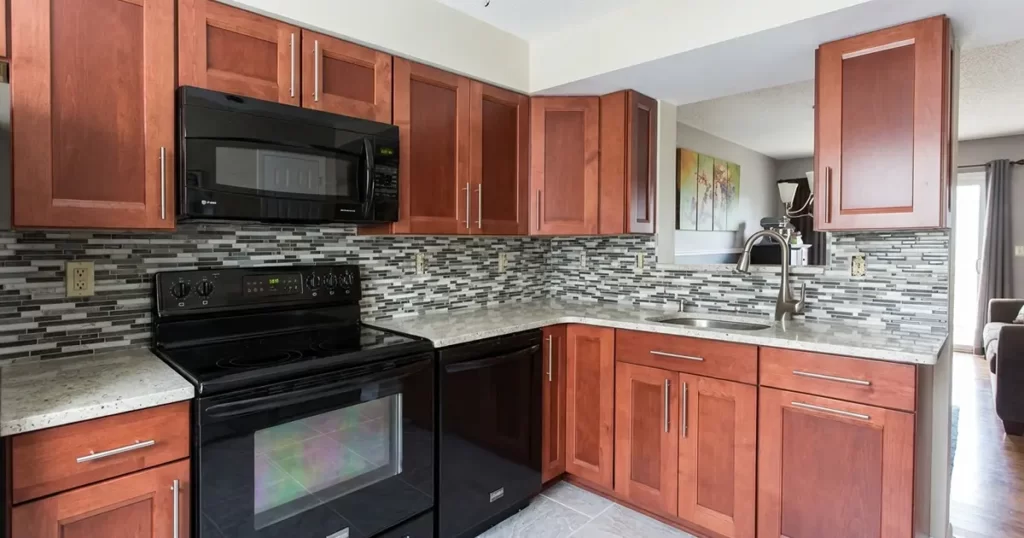
4. Place the Sink First and Build the Layout Around It
Many kitchen layouts become easier when the sink location is decided first. The sink often sits under a window or near the center of the work area. Once the sink is placed, the refrigerator and stove can be positioned to form a comfortable work triangle.
After that, plan where prep space will go. Prep space should be close to the sink and the stove. This reduces extra movement while cooking.
Thinking about the order of tasks helps create a layout that feels natural. Most people take food from the refrigerator, wash it, prepare it, cook it, and then clean up. The layout should follow this pattern.
5. Divide the Kitchen Into Work Zones
Modern kitchen layout design works best when the space is divided into zones instead of treating the whole room as one area.
- A prep zone should have counter space, knives, and trash nearby.
- A cooking zone should keep pots, utensils, and spices close to the stove.
- A cleaning zone should place the dishwasher near the sink.
- A storage zone should keep pantry items easy to reach.
When each zone is planned correctly, the kitchen feels organized even when it is busy.
6. Plan Cabinet Layout for Storage and Balance
Cabinet placement affects how comfortable the kitchen feels. Too many upper cabinets can make the room feel heavy, while too few can reduce storage.
Lower drawers are often easier to use than deep cabinets because you can see everything inside. Tall pantry cabinets can help reduce clutter on the counters.
Think about where large items will go. Pots, small appliances, trash bins, and food storage all need space. A layout that ignores storage usually leads to a messy kitchen.
Cabinet size should also match the room. Smaller kitchens need lighter and simpler cabinet designs. Larger kitchens can handle taller cabinets and more storage.
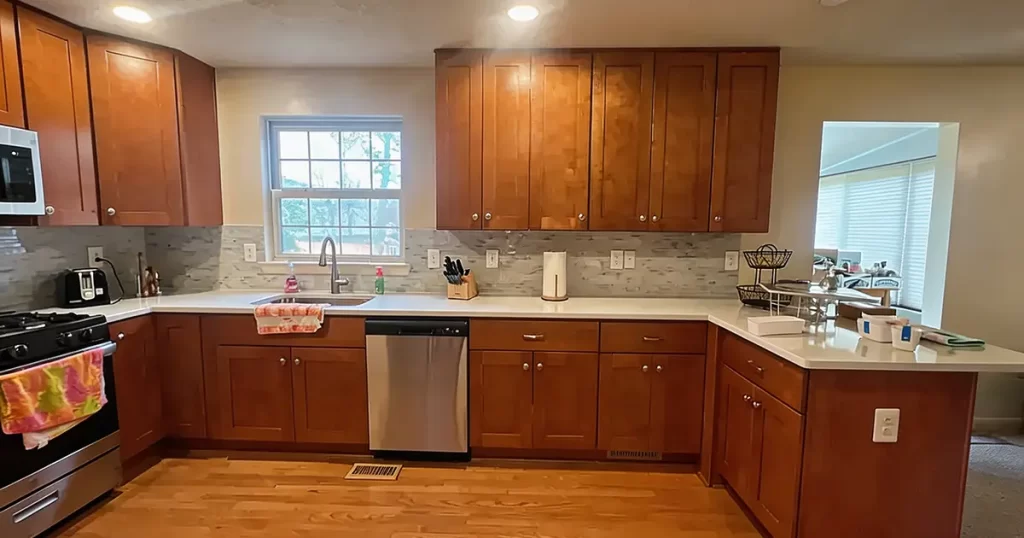
7. Decide If the Kitchen Needs an Island
An island can improve a kitchen layout, but only when the space allows it.
There should be enough room to walk around all sides comfortably. A good rule is at least thirty six inches of space, but more is better when possible.
An island can add extra counter space, seating, and storage. It can also become the center of the room. If the kitchen is too small, adding an island can make movement harder instead of easier.
Always check the clearances before deciding to include one.
8. Plan Lighting, Electrical, and Ventilation Early
Lighting should be planned at the same time as the layout. A single ceiling light is not enough for a kitchen.
Use layered lighting. Ceiling lights provide general brightness. Under cabinet lights help with food preparation. Pendant lights work well over islands or dining areas.
Electrical outlets should be placed where food prep happens. Put outlets near corners, islands, and appliance locations so cords do not stretch across the counter.
Ventilation also matters. A range hood that vents outside helps remove heat, smoke, and cooking odors. Good airflow makes the kitchen more comfortable to use.
9. Choose Materials After the Layout Is Final
Material choices should come after the layout is finished. When the layout works well, it becomes easier to choose finishes that fit the space.
Use colors that match the size and lighting of the room. Lighter colors help small kitchens feel bigger. Darker tones can work well in larger spaces.
Try to keep the color palette simple. One main color, one secondary color, and one accent color usually looks balanced. Too many finishes can make the kitchen feel busy.
Durability is also important. Kitchens get heavy use, so surfaces should be easy to clean and strong enough for daily work.
For example, many homeowners look at the pros and cons of quartz countertops when choosing a durable surface.
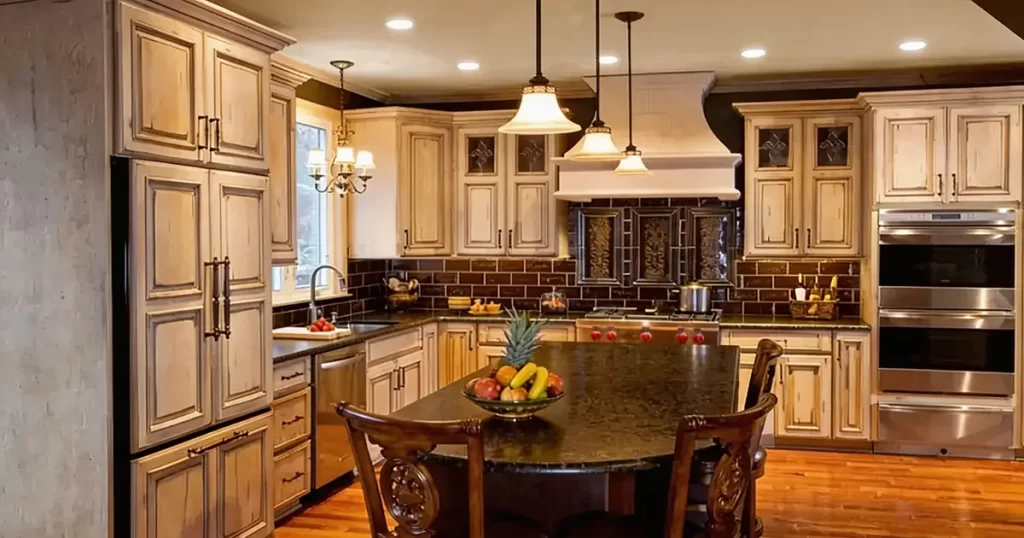
Safety and Comfort Should Be Part of Every Kitchen Layout
A good kitchen layout should feel easy to move through. Keep walkways clear and avoid placing appliances where doors will block each other.
Use flooring that is safe to stand on for long periods. Make sure lighting reaches every work area. Avoid sharp corners in tight spaces.
Comfort matters as much as appearance. A kitchen that feels easy to use will always look better over time.
Designing a Kitchen Layout That Still Works After Years of Daily Use
The best way to design a kitchen layout is to focus on function first. When spacing, workflow, and storage are planned correctly, the kitchen stays comfortable even after years of daily use.
Follow the basic rules for clearances, work zones, and layout shapes. Measure carefully before making decisions, and choose materials that match how the kitchen will actually be used.
A layout that respects these principles does not go out of style, and it does not become frustrating to live with. When the layout is right, every other part of the kitchen falls into place naturally.
If you are planning a kitchen remodel in Pasadena, MD, or anywhere in Anne Arundel County, working with an experienced design-build contractor can make the process much easier. The team at Brucksch & Sons Remodeling helps homeowners plan kitchen layouts that are practical, comfortable, and built to last, from the first design ideas through final construction.
If you would like help designing a kitchen layout that will still feel right years from now, contact Brucksch & Sons Remodeling to discuss your project.