
Bathroom renovation is among the most popular home improvement projects, but homeowners often put it off because it seems complicated. The good news? Breaking it down into manageable steps makes the whole process way less intimidating.
Whether you’re working with your only bathroom or transforming a second space, having a clear plan makes all the difference.

1. Planning Your Bathroom Renovation
Careful planning saves you serious headaches down the road.
You’ll want to nail down your budget first. A full renovation can run anywhere from $6,000 to $25,000, depending on the size and materials you choose.
Think about what’s actually bothering you about your current bathroom. Is it the cramped shower enclosure? The lack of natural light? Maybe those grout lines have seen better days, or you desperately need a double vanity so you’re not fighting for sink space every morning.
Most bathroom remodels take about 3-4 weeks total if everything goes smoothly. If you’re tackling a DIY bathroom project, expect that timeline to stretch a bit.
2. Demo Day and Prep Work
This is where things get real. Start by turning off the water supply to your bathroom. Seriously, do this first unless you want an impromptu indoor pool situation.
Remove everything in this order: mirrors and medicine cabinets, toilet, sink and vanity, then finally the bathtub or shower.
A toilet paper holder, towel bars, and other small fixtures come off pretty easily. The tub? That’s a different story and might require cutting it into pieces if it’s cast iron.
Use painter’s tape to protect door frames and any walls you’re keeping. Plastic sheeting keeps dust from invading the rest of your house, which your family will definitely appreciate. Some people skip this step and regret it when they vacuum tile dust from their bedroom carpet.
3. Plumbing Work and Electrical Updates
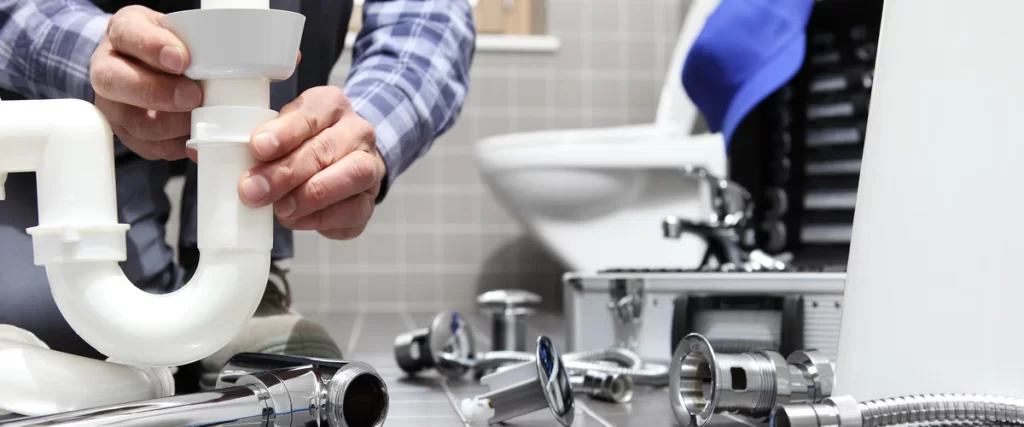
Here’s where things get technical. Unless you’re a licensed plumber or electrician, this isn’t the time to wing it. Moving plumbing fixtures requires managing drain and water supply lines and venting, all of which must comply with local building codes.
The International Residential Code (IRC) sets standards for bathroom ventilation, electrical outlets, and plumbing that you’ll need to follow. You can check the latest requirements through the International Code Council to make sure your remodel meets safety standards.
For example, recessed light fixtures require cutting into your ceiling and running new electrical lines, and GFCI outlets must be within a specified distance of water sources. These are code requirements that protect you from water damage and electrical hazards.
If you’re adding a walk-in shower where a tub used to be, the plumbing work gets even more involved. You might need to adjust the drain location, add a shower valve, and potentially move supply lines.
4. Installing Your New Features
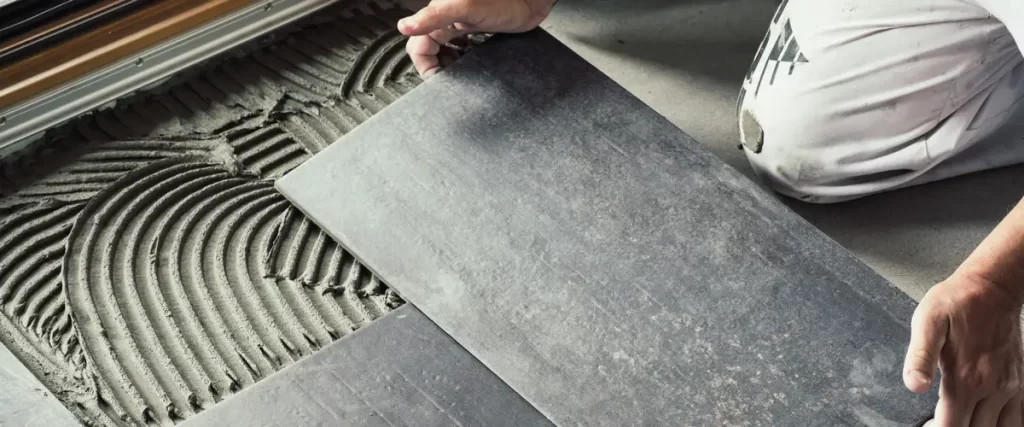
Now we’re getting to the fun stuff. Your bathroom floors go in first, whether you’re using tile, luxury vinyl, or natural stone. Make sure you have a solid, level subfloor before you start.
Tile work requires patience. Those grout lines need to be consistent, and you’ll want to let everything cure properly before moving on. A shower floor should slope toward the drain (about 1/4 inch per foot) to prevent pooling.
Installing bathroom fixtures comes next:
- Set the new bathtub or shower base
- Install the shower enclosure or hang your shower curtain rod
- Mount the vanity and connect the sink
- Install the toilet
- Add faucets and other hardware
A double vanity occupies more space but adds significant value, especially if you have two bathrooms and want to upgrade the primary suite. Your interior designer (if you hired one) probably has opinions about placement and style that maximize both function and aesthetics.
Bathroom storage deserves real thought here. Medicine cabinets, recessed shelving in the shower, and vanity drawers make daily life smoother. Don’t forget about practical stuff like a decent toilet paper holder and toothbrush holders that actually fit your bathroom design.
5. The Finishing Touches That Make It Shine
Paint transforms everything. Choose a moisture-resistant paint formulated for bathrooms to avoid mold and peeling paint down the road. Light colors make a small bathroom feel larger and help reflect natural light.
Lighting deserves way more attention than most people give it. A single overhead light isn’t enough. You need task lighting around the mirror, ambient lighting for the whole room, and maybe accent lighting to highlight that gorgeous tile work you just installed.
Hardware and accessories tie the whole look together. Updated cabinet hardware, a new towel bar, and modern soap dispensers. These small changes create a big impact. Match your finishes (brushed nickel, matte black, chrome) throughout the space for a cohesive style.
Some final details to consider:
- Install proper ventilation to prevent moisture problems
- Add bathroom storage solutions like floating shelves or a linen closet
- Choose quality materials that’ll hold up to daily use
- Consider your resale value when making design choices
Wood accents can add warmth, but make sure they’re properly sealed against moisture. Stone countertops look amazing, but cost more than laminate options. It’s all about balancing what you want with what you can realistically afford.

Frequently Asked Questions
How much does it cost to remodel a bathroom?
A typical bathroom remodel runs between $6,000 and $25,000. If you’re doing a DIY bathroom renovation and handling some work yourself, you can save money on labor costs. High-end materials, moving plumbing fixtures, and expanding the space all increase costs. Small bathroom updates with new paint, fixtures, and tile can stay on the lower end of that range.
How long does a bathroom renovation take?
Most bathroom remodels take 3-4 weeks from start to finish. If you’re doing the work yourself on nights and weekends, expect it to stretch to 6-8 weeks. Working on your only bathroom? Plan temporary arrangements because you won’t have access during the renovation.
Can I remodel my bathroom myself?
Some parts, absolutely. Painting, installing a new vanity, replacing bathroom fixtures, and adding storage are totally doable with basic tools and some YouTube tutorials. But plumbing work, electrical updates, and tile installation often require professional skills to avoid costly mistakes and code violations.
What should I remodel first in my bathroom?
Start with the items requiring the most plumbing work, such as relocating your shower or bathtub. Then handle floors and walls before installing the vanity, toilet, and other fixtures. Finishing touches such as paint, lighting, and hardware are always last. This order prevents you from damaging new installations while completing other work.
Do I need permits to remodel my bathroom?
Usually, yes. Most areas require permits for plumbing changes, electrical work, and structural modifications. Simple cosmetic updates, such as painting or replacing a toilet, generally don’t require permits, but check with your local building department. Working without required permits can create problems when you try to sell your house down the road.
Maybe Just Call the Pros Instead?
Reading through these steps probably made you realize just how many details go into a successful bathroom remodeling project.
Between permits, plumbing codes, tile installation techniques, and coordinating everything to actually work together, it’s not exactly a relaxing weekend project. But professionals do this every single day. Why not get it done right the first time and actually enjoy the process of picking out the fun stuff like fixtures and finishes?
Call us at (443) 261-9582 or message us here to talk about your bathroom renovation. We’ll handle the headaches so you can skip straight to enjoying your new space.